
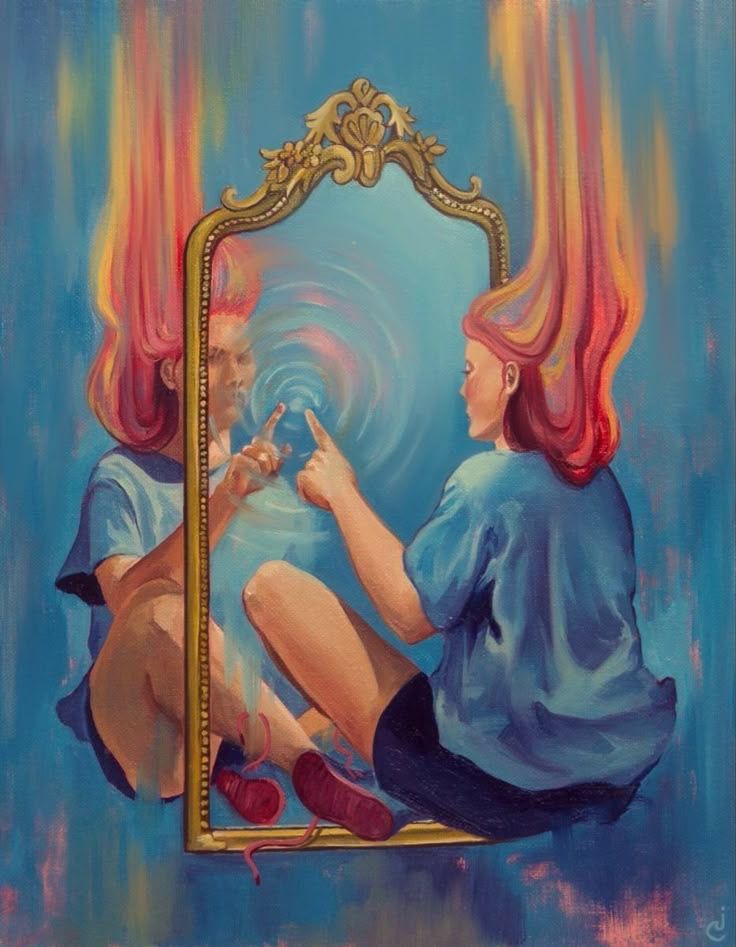
We frequently learn that knowledge is based on facts, reasoning, and evidence. However, why do different people, cultures, or institutions recall the same event with such distinct memories? Why is there a paradox of truth changing over time, while other truths get quietly buried?
Have we ever pondered upon the thought of whether knowledge is truly neutral?
We often like to believe that knowledge is built on pure reason, observation, and truth, but what if even the tools and minds we use to generate knowledge are themselves biased? The question of whether bias is inevitable in the production of knowledge strikes at the core of epistemology and our understanding of the world. Bias doesn’t just show up in individual opinions; it can be embedded in culture, language, institutions, and even the design of scientific experiments.
Through three seemingly unrelated objects, a colonial newspaper, and an outdated medical textbook I discovered a pattern: bias isn’t just possible in knowledge creation; it’s often baked right into the process.
A Colonial-era Newspaper – The Times of India, 1920 Edition
The colonial-era newspaper, which is a yellow, fragile newspaper may look like just another antique artifact, but it’s a powerful emblem that reflects a deep-rooted bias in historical knowledge. These newspapers were published during the British rule in India, this particular edition reports the protests against the colonial governance, but not from the lens of the Indian populace. Instead, the language articulated by these newspapers portrays the acts of resistance as ‘unlawful gatherings’ and ‘unruly behavior’, subtly reinforcing the colonial narrative.
This object highlights how power dynamics and authority shape knowledge production. What we have accepted as historical facts is often filtered through the lens of those in power or control. In this case, the colonial narratives dominated the documentation of events, sidelining indigenous voices and the voices of the marginalized. Even the selection of what gets reported and how it’s framed is an exercise in bias.
This example raises essential questions: Who gets to write history? Whose voices are omitted or suppressed? When bias is institutional, it becomes almost invisible, buried under the label of “objective reporting.”
While the truth can never be heard, we cannot travel back in time to fact-check everything, so we have no other option than relying on existing records, many of which carry the author’s perspective intentionally or not. Even with modern reinterpretation, the biases remain evident.
A 1950s Medical Textbook – Woman: Her Biology and Health
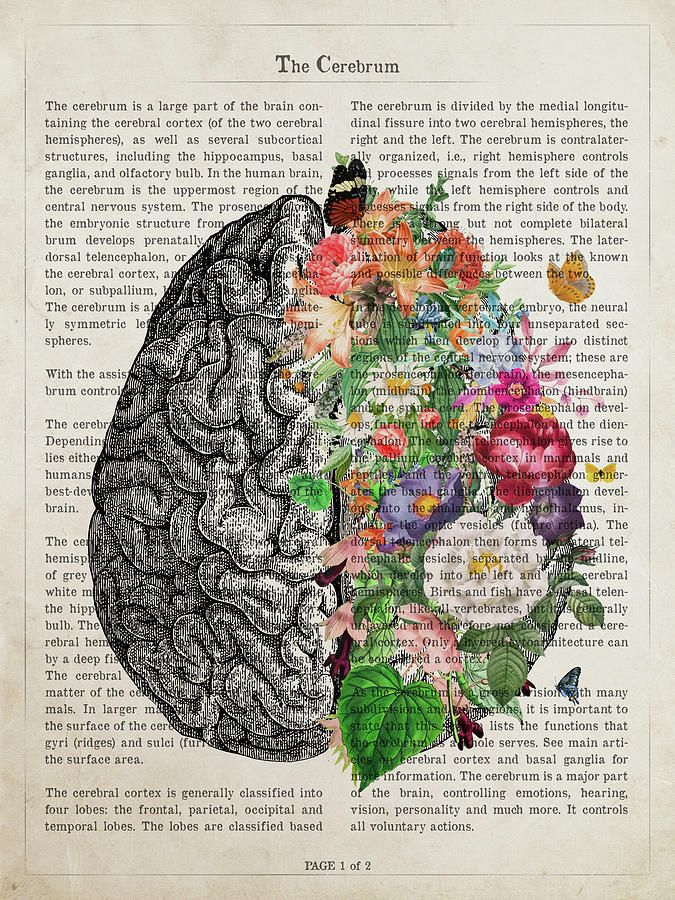
The textbook; Women: Her Biology and Health, once widely used in Western medical schools, presents an outdated and shockingly biased portrayal of women’s health. It describes women as ‘emotionally fragile beings’ and warns against ‘over-education’ leading to infertility. The book implies that a woman’s primary biological purpose is childbirth, objectifying women as a tool rather than a human being. Though intended as a scientific resource, its content reflects strong cultural and gender biases.
This example displays how scientific knowledge is often considered the most objective and can still be influenced by social attitudes. In this case, the gender stereotypes from the mid-20th century heavily influenced how medical information was interpreted and taught whether in schools or colleges or even to the general public. The scientists and doctors who wrote these texts were not maliciously promoting bias. They were products of their time and culture.
This example shows how bias can be unconscious yet deeply embedded, affecting generations of medical professionals. Bias is not always a deliberate manipulation, it often creeps in through assumptions we don’t even realize we’re making. This challenges the traditional view of science and opens up the question: Can we ever fully remove our perspectives from the knowledge we create?
Modern medicine has now evolved involving feminist critiques and greater inclusive research, but the remnants of past bias remain. Understanding this history is essential to ensure that future knowledge is produced with greater awareness and inclusivity.
So… Is Bias Inevitable?
After exploring these examples, I’ve come to a strange but comforting conclusion that,
Yes, bias is inevitable, but that’s not necessarily a bad thing.
Bias is part of being human. We experience the world through our senses, emotions, cultures, and beliefs. Those filters shape the knowledge we produce. What matters isn’t eliminating bias, it’s recognizing it, questioning it, and learning from it.
Historical narratives evolve when we listen to more voices. Medical science improves when it embraces diversity. But there’s a silver lining, recognizing bias doesn’t make knowledge invalid, it makes it richer. It has a greater critical engagement with knowledge, awareness of our limitations, and openness to multiple perspectives that help us move closer to truth. Bias, then, isn’t the enemy of knowledge, it’s a signal, urging us to dig deeper and think harder.




Leave a Reply