

The Invisible Labour of Emotional Strength
In today’s world engrossed with productivity and visible accomplishment, emotional strength is undervalued. It’s like a currency spent quietly, often unnoticed, unrewarded, and unspoken of. We applaud our resilience but rarely investigate the cost behind the resilience, we admire people who have “kept it together” but fail to ask what they had to leave behind to reach their positions.
Through the expression, ‘emotional strength’, I understand that it is the ability to navigate, regulate, and respond to your emotions in a healthy and valuable way, even when a person is under pressure, stress, or any hardship. But it’s deeper than just ‘keeping calm’ or ‘being resilient’. It’s about maintaining your core self without collapsing to becoming destructive when life brings on chaos. But most of the time, people rather appraise their physical and mental strength, rather than their emotional strength.
Society often makes strength look admirable and even heroic. We praise people who stay strong through tough times like they’ve passed a great test. But what we don’t notice is the hidden cost behind the strength, the buried pain, silent worries, the tears that no one sees. This kind of strength isn’t free. It’s often paid for with loneliness, exhaustion, and quiet loss of an individual’s inner peace.
It’s a taboo, that showing emotions makes us weak, ruling us as a fragile person, resulting in loneliness, and various mental burdens. But it is necessary to change the ideology, because true strength lies not in hiding emotions, but in expressing them with honesty and courage. When we bottle things up, we don’t become stronger, we become disconnected, not just from others, but from ourselves. Vulnerability isn’t weakness; it’s a bridge. It allows us to connect, to heal, and to be seen as whole, complex human beings.
By embracing our emotions instead of fearing them, we create space for authenticity. We give others permission to do the same. This shift, this quiet revolution in how we define strength, can reduce isolation, improve mental well-being, and build deeper relationships. It’s time we stop measuring resilience by how well someone pretends to be okay and start honoring the bravery it takes to say, “I’m not.”
Emotional strength as unpaid labour
To be emotionally strong is often to be the “go-to” person. The friend who listens, the parent who never breaks down, the colleague who absorbs pressure without complaint. But this role is not just a personality trait, it’s labour. Labour without compensation, without breaks, and often, without recognition.
We don’t think of emotional resilience as a resource because it doesn’t produce tangible outputs. There’s no spreadsheet for suppressed heartbreak or late-night breakdowns hidden behind morning coffee. But this labour keeps families functioning, teams together, and crises managed. If emotional strength were a job, it would be the most overworked and underappreciated one in the world.
The myth of strength as superiority
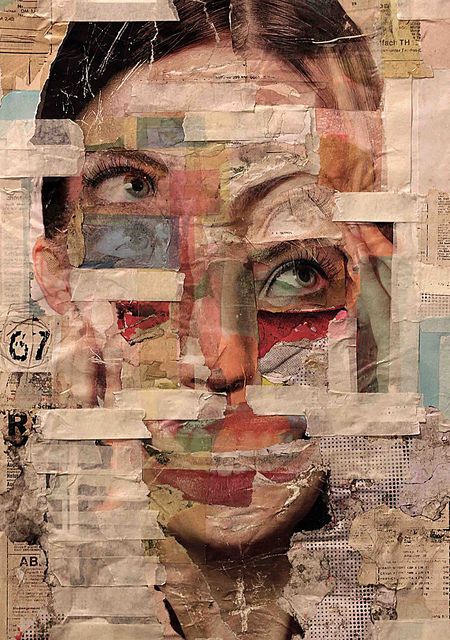
Here’s where we strongly need to challenge a dangerous assumption, that emotional strength makes a person superior but in reality, it makes you invisible. The stronger you appear, the less other people feel the need to check in on you, you turn into a pillar, not a person.
It’s a cruel paradox, society teaches us to admire composure but the more you attain it, the more isolated you become. You’re seen as someone who can handle it, and so you’re left to handle it alone. Emotional strength, then, becomes a prison disguised as a pedestal.
When strength becomes silence
There’s a peculiar kind of violence in being told, implicitly or explicitly, to “stay strong.” It often means: don’t feel too deeply, don’t express too openly, don’t fall apart. Emotional strength becomes synonymous with emotional silence. And silence, over time, morphs into suppression.
This doesn’t mean emotional strength is a bad thing, it’s important and even admirable. But the problem starts when we praise it without recognizing what it costs. We need to change how we see strength. It’s not about never being vulnerable, it’s about being able to carry that vulnerability without letting it break you.
The question that should be raised is, What would happen if we began treating emotional strength as a shared responsibility rather than a burden individually raised? What if we celebrate not only those people who have ‘held it together’, but also those who ask for help and try to heal themselves?
The real strength lies not in the ability to endure it silently but in having the courage to speak it out loud, saying, “This is hard” without shame. It lies in dismantling the expectation that people must be emotional.
The real strength lies not in the ability to endure silently but in the courage to speak out, to say, “This is hard,” without shame. It means letting go of the idea that people have to be emotionally tough all the time to deserve respect.






Leave a Reply